





Oligospermia Finding Hope
 20,000+
Smiles
 35+
35+Parenthood Joy
 78%
78%Hope to Families
 30+
30+Specialists
Oligospermia
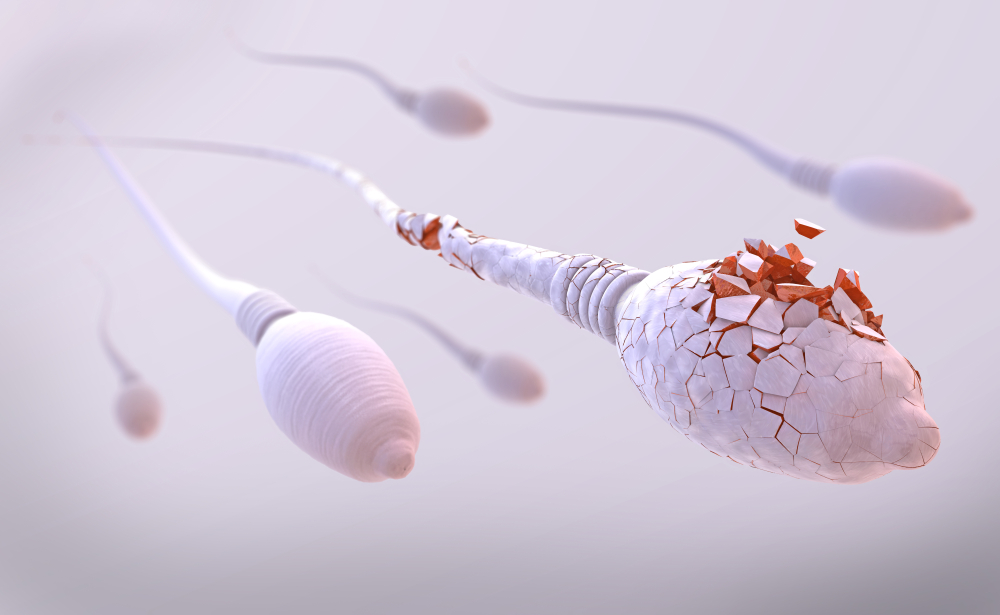
Oligospermia is a condition in which a male produces anything under 15 million sperms. In the absence of this condition, a fertile man produces anywhere from 15 million to over 200 million sperm per millilitre of semen. The low sperm count reduces the possibility of conceiving of your partner.
There can be a number of oligospermia causes, but you'll be relieved to know that Seeds of Innocens promises high-quality oligospermia treatment. Our team of fertility specialists will also give you detailed information about what is oligospermia, relation between oligospermia and azoospermia, risks centred around severe oligospermia, etc.
Types of Oligospermia
Oligospermia is defined by sperm count below the reference range (e.g. under 15 million per milliliter). Severity can be mild, moderate, or severe based on how low the count is.
Causes of Oligospermia
Causes range from medical to lifestyle. Common causes include:
Symptoms of Oligospermia
The main symptom is difficulty conceiving. There are often no other obvious physical signs; oligospermia is typically detected by semen analysis.
Diagnosis of Oligospermia
Semen analysis is the key test. Further tests (hormones, ultrasound, genetic) may be done to find the cause.
Treatment for Oligospermia
Treatment depends on cause and may include lifestyle changes, medication or hormonal therapy, and sometimes surgery (e.g. varicocele repair) or assisted reproduction.
Can Men with Oligospermia Have Children?
Yes. Many men with oligospermia can have children. Treatment of the cause or use of IUI/IVF/ICSI often makes pregnancy possible. Our specialists will recommend a plan based on your count and cause.
When Should You Consult a Fertility Specialist?
Consult a fertility specialist if you have been trying to conceive for a year without success (or six months if your partner is 35 or older). Semen analysis can confirm oligospermia and guide next steps.