





Non-Obstructive Azoospermia
 20,000+
Smiles
 35+
35+Parenthood Joy
 78%
78%Hope to Families
 30+
30+Specialists
Non-Obstructive Azoospermia
Non-obstructive Azoospermia (NOA) is the most severe form of male infertility in which no sperms are found in the ejaculate due to the failure of spermatogenesis. In simple words, sperm production is impaired.
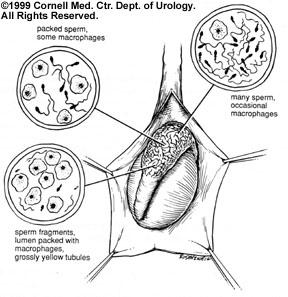
Types of Non-Obstructive Azoospermia
Non-obstructive azoospermia (NOA) means no sperm in the ejaculate due to impaired or absent sperm production in the testicles, rather than a blockage.
Causes of Non-Obstructive Azoospermia
Main causes include inadequate gonadotropin production or intrinsic testicular impairment:
Symptoms of Non-Obstructive Azoospermia
Often there are no obvious physical symptoms. The main presentation is inability to conceive and no sperm on semen analysis.
Diagnosis of Non-Obstructive Azoospermia
Physical exam, semen analysis, hormone tests, and sometimes genetic testing or testicular biopsy help confirm NOA and guide treatment.
Treatment for Non-Obstructive Azoospermia
Men with NOA may have pockets of sperm production. Sperm retrieval (e.g. Micro-TESE) can often recover sperm for use with IVF/ICSI. Hormonal therapy may help in selected cases.
Can Men with Non-Obstructive Azoospermia Have Children?
Yes. Many men with NOA can have biological children. Sperm retrieval (especially Micro-TESE) can find sperm in a significant proportion of men; that sperm is then used for ICSI. Our team will discuss your individual chances based on cause and evaluation.
When Should You Consult a Fertility Specialist?
See a urologist or fertility specialist if semen analysis shows no sperm. Determining whether the cause is obstructive or non-obstructive is essential to plan sperm retrieval or other treatment.