




Endometriosis Understanding the Condition & Finding Hope
 20,000+
Smiles
 35+
35+Parenthood Joy
 78%
78%Hope to Families
 30+
30+Specialists
Understanding Endometriosis: What You Need to Know
Living with constant pain, heavy periods, or unexplained fatigue? It might not just be "normal period pain". It could be endometriosis a common but often misunderstood condition that affects millions of women around the world.
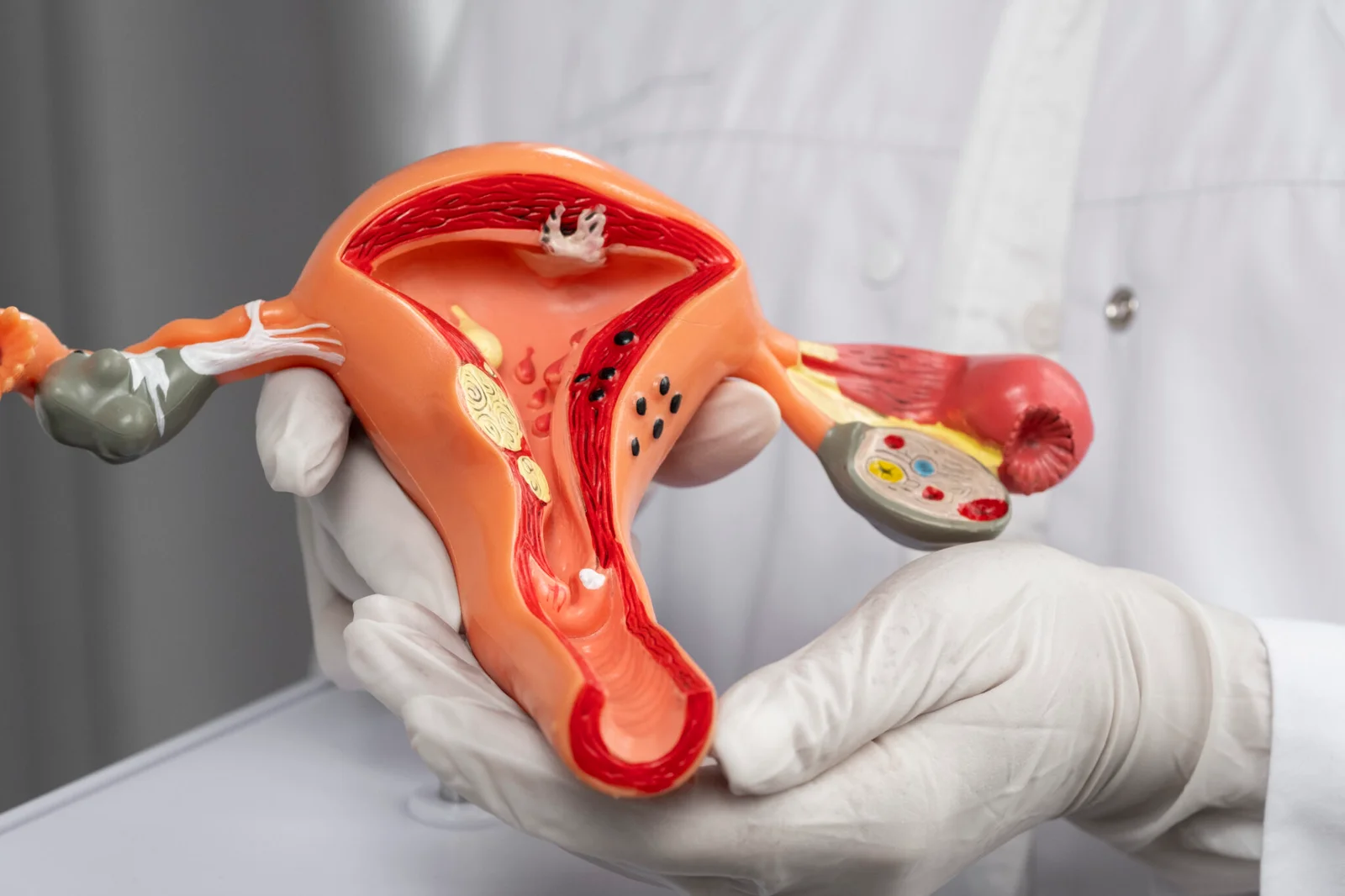
At its core, endometriosis happens when the tissue that normally lines the inside of the uterus (called the endometrium) starts growing outside the uterus. These growths can appear on the ovaries, fallopian tubes, and even the bladder or intestines. And because this tissue behaves like the lining of the uterus thickening, breaking down, and bleeding with each menstrual cycle it can cause pain, swelling, and other healh problems.
Symptoms of Endometriosis
Symptoms vary; some women have no symptoms and are diagnosed during fertility workup.
Causes of Endometriosis
The exact cause is not fully known. Retrograde menstruation, genetics, and immune factors may play a role.
Diagnosis of Endometriosis
Diagnosis can be delayed. History, imaging, and sometimes surgery are used.
Treatment for Endometriosis
There is no cure; treatment focuses on symptoms and fertility.
How Endometriosis Affects Fertility
Endometriosis can cause adhesions, tubal damage, and inflammation that affect fertility. Surgery and IVF can help many women conceive.
Managing Endometriosis
Lifestyle measures and medical treatment help manage symptoms. Regular follow-up with a gynaecologist or fertility specialist is important.