





Open Surgery
 20,000+
Smiles
 35+
35+Parenthood Joy
 78%
78%Hope to Families
 30+
30+Specialists
Open Surgery in IVF and Pregnancy
Developments in medical science have enabled the addressing of fertility problems and pregnancy complications using different procedures. Although minimally invasive methods are the first choice, open surgery is an important option in specific situations. Open surgery during IVF or pregnancy is done if there are complex reproductive problems and direct access to the reproductive system is needed.
Open surgery may be recommended in cases where other treatments, such as medications or laparoscopic procedures, are not effective.
Why is Open Surgery Performed?
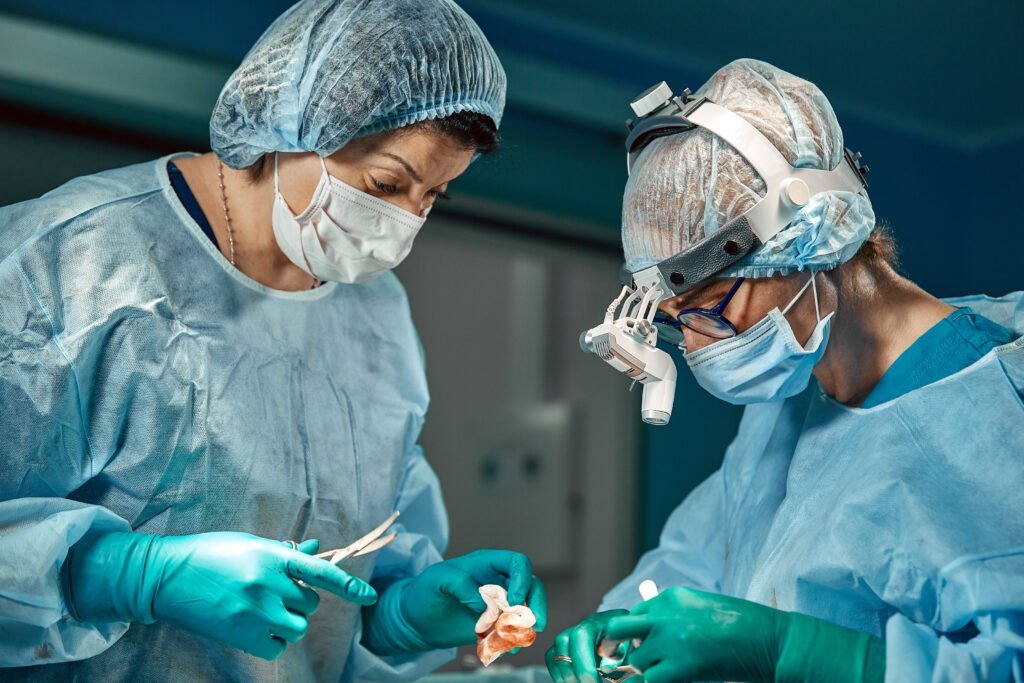
Open surgery is performed when complex reproductive or pregnancy-related conditions require direct access to the abdomen or reproductive organs, and when minimally invasive options are not suitable or have not been effective.
Conditions Treated with Open Surgery
Open surgery may be used for:
How is Open Surgery Performed?
Open surgery is performed under general anaesthesia. The surgeon makes an incision in the abdomen to access the reproductive organs and perform the required procedure.
Diagnosis (ultrasound, blood tests) and pre-operative instructions (fasting, medications). Anaesthesia and consent are discussed.
General anaesthesia is administered so you are asleep during the procedure.
An incision is made in the lower abdomen to access the uterus, ovaries, or other organs. The specific surgery (e.g. myomectomy, cyst removal) is performed. Duration depends on complexity.
The incision is closed and you are monitored in recovery. Hospital stay may be several days depending on the procedure.
Recovery After Open Surgery
Recovery after open surgery takes longer than minimally invasive surgery.
Risks of Open Surgery
Risks of open surgery can include:
Success Rate of Open Surgery
Open surgery can effectively treat complex conditions and improve the chances of pregnancy when fibroids, severe endometriosis, or other structural issues are addressed. Success depends on the condition, extent of disease, and overall fertility factors. Our specialists will discuss expected outcomes and further fertility options (e.g. IVF) based on your case.
Cost of Open Surgery
Cost of open surgery varies with the type of procedure and hospital stay. Contact us for an estimate and to book an appointment.