




Uterine Fibroids: Symptoms, Causes, Diagnosis and Treatment Options
Uterine fibroids are among the most prevalent conditions faced by women in their reproductive period. Whereas some fibroids go symptomless and might be identified accidentally in an ultrasound test, other fibroids may become the source of painful, heavy menstruations, pelvic pains or infertility.
But what are fibroids, and under which circumstances are they in need for treatment? Knowing fibroids' location, size and symptoms can help you decide on proper treatment together with your doctor.
What Are Fibroids?
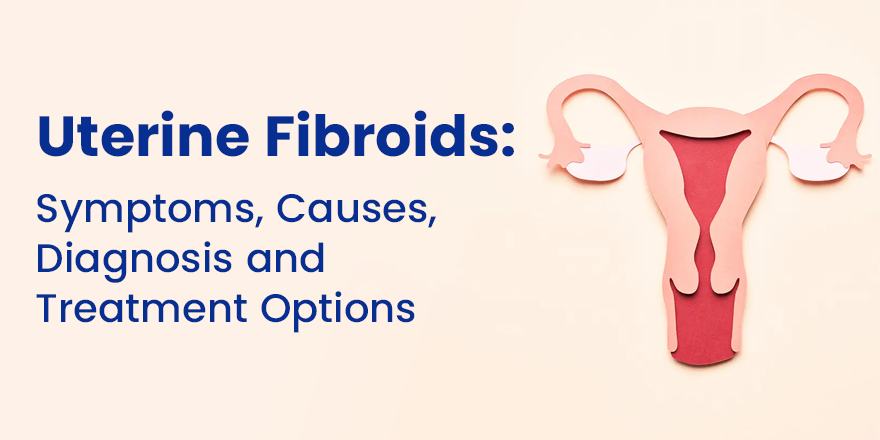
Fibroids are benign tumours that grow inside or outside of a uterus. They are also called uterine leiomyomas or myomas. A woman can suffer from one fibroid, or several of them; fibroids' sizes vary from tiny growths to big masses, which change the shape of the uterus.
So, what is a fibroid, then? A fibroid develops from the muscles of the uterus and may develop at different locations. Symptoms and treatment of fibroids usually depend on their size, number and location.
The majority of fibroids are benign and do not need any treatment, if they do not bring any troubles to a woman. But if you have symptomatic fibroids, it is better to consult a gynaecologist.
Uterine Fibroids: Where Can They Occur?
Understanding fibroid meaning may become easier if we learn about the fibroid location. The fibroids may occur in various places of the uterus, such as:
Intramural Fibroids
Such fibroids are found within the uterus' muscular wall and belong to the most common types of fibroids.
Submucosal Fibroids
They grow in the direction of the uterus' cavity. Even rather small submucosal fibroids may sometimes lead to heavy periods and fertility issues.
Subserosal Fibroids
They are found on the outer part of the uterus and may cause pressure on neighboring organs if they get bigger.
Anterior Wall Fibroid
This fibroid occurs in the anterior wall of the uterus. Depending on its size and place, it may cause pressure in the pelvis area and pain in the abdomen or other symptoms. Nevertheless, the occurrence of the anterior wall fibroid does not mean the need for surgery automatically.
What Are the Symptoms of Fibroids?
Not all women with fibroids have symptoms. The symptoms depend on the size, number and location of the tumors if there are any.
Symptoms of uterine fibroids include:
- Excessive or long-term menstruation
- Menstrual cramps
- Pelvic pain or pressure
- Enlargement or bloated abdomen
- Increased need for urination
- Inability to completely empty bladder
- Constipation or pressure in the bowels
- Back pain
- Discomfort during sexual intercourse
- Tiredness or fatigue due to anaemia because of heavy bleeding
When you have ongoing pelvic pain, abnormal menstrual periods, bleeding in between periods and symptoms interfering with your life, it is recommended that you see a gynaecologist.
Can Fibroids Influence Fertility?
The mere fact that you have fibroids does not automatically mean that you will encounter difficulties conceiving a baby. Plenty of women with fibroids get pregnant and have normal pregnancies.
But some fibroids, especially those that occur inside the uterus can cause infertility or complications in pregnancy. The effect of these fibroids varies based on their location, size and number.
When you plan to get pregnant and have fibroids, the doctor may recommend if they should be treated before pregnancy.
Fibroids Diagnosis
The initial step towards diagnosing fibroids can be medical history and pelvic examination. Ultrasound can be done to diagnose the presence of the fibroids, find out how many they are, their size and where they are located inside the uterus.
MRI, hysteroscopy and other specialized uterine scans may be recommended if you have particular symptoms or you have particular needs related to pregnancy.
Accurate diagnosis is required because fibroid treatment should be individualized rather than treating the disease.
Fibroids Treatment
There is no one-size-fits-all treatment for all women with fibroids. Different treatments depend on your particular symptoms, the size and location of fibroids, your age, general health condition and fertility plans.
1. Observation/Waiting Approach
In cases of small size and minor symptoms, your doctor may prescribe observation.
2. Drugs
There are some drugs that are useful in dealing with the problem of excessive menstrual flow and pain. However, the use of medication may manage the symptoms but will not get rid of the fibroid.
3. Myomectomy
Myomectomy is a surgery in which the fibroids are removed while leaving the uterus intact. This depends on the fibroid location and characteristics and it can be done by various types of surgery such as hysteroscopic, laparoscopic or abdominal surgery.
Myomectomy may be recommended especially if there is a need to preserve the uterus and fertility in future.
4. Minimally Invasive Surgery
Selected individuals may benefit from minimally invasive techniques such as uterine artery embolization or radiofrequency ablation. Not all patients will benefit from the minimally invasive surgery and therefore consultation is needed.
5. Hysterectomy
Hysterectomy is the surgical removal of the uterus and thus the treatment of the fibroid. Since the ability to become pregnant will not be possible once the hysterectomy is done, this choice must be done considering the symptoms, situation and intentions of the patient.
When Is It Time for Fibroid Surgery?
There comes a time when fibroid surgery may need to be done if you have fibroids that give rise to severe symptoms, are large, affect your quality of life, impact your fertility issues in certain cases, and even if you do not get adequate results with other forms of treatment.
It should not only be because of the size of your fibroids. Their location, the number of fibroids, and symptoms are equally important.
For Fibroid Surgery in Delhi, choose a centre that creates your treatment plan after doing proper imaging and consultation by a gynaecologist surgeon.
Best Uterine Fibroid Treatment Hospital in Delhi
To choose the best uterine fibroid treatment Hospital in Delhi, it is not just about going to a centre for your surgical procedure. Choose a centre which will provide you with:
- Skilled gynaecologists and minimally invasive surgeons
- Appropriate diagnostic imaging
- Various options for treatment
- Customised treatment plan
- Counselling for fertility if required
How do Fibroids impact day-to-day life?
There comes a time when fibroid surgery may need to be done if you have fibroids that give rise to severe symptoms, are large, affect your quality of life, impact your fertility issues in certain cases, and even if you do not get adequate results with other forms of treatment.
It should not only be because of the size of your fibroids. Their location, the number of fibroids, and symptoms are equally important.
For Fibroid Surgery in Delhi, choose a centre that creates your treatment plan after doing proper imaging and consultation by a gynaecologist surgeon.
Best Uterine Fibroid Treatment Hospital in Delhi
To choose the best uterine fibroid treatment Hospital in Delhi, it is not just about going to a centre for your surgical procedure. Choose a centre which will provide you with:
- Skilled gynaecologists and minimally invasive surgeons
- Appropriate diagnostic imaging
- Various options for treatment
- Customised treatment plan
- Counselling for fertility if required
Also Read: Endometriosis: Symptoms, Causes, Treatment and Its Impact on Fertility
When Is It Time for Fibroid Surgery?
There comes a time when fibroid surgery may need to be done if you have fibroids that give rise to severe symptoms, are large, affect your quality of life, impact your fertility issues in certain cases, and even if you do not get adequate results with other forms of treatment.
It should not only be because of the size of your fibroids. Their location, the number of fibroids, and symptoms are equally important.
For Fibroid Surgery in Delhi, choose Seeds of Innocens surgical centre that creates your treatment plan after doing proper imaging and consultation by a gynaecologist surgeon.
Best Uterine Fibroid Treatment Hospital in Delhi
To choose the best uterine fibroid treatment Hospital in Delhi, it is not just about going to a centre for your surgical procedure. Choose Seeds of Innocens surgical centre which will provide you with:
- Skilled gynaecologists and minimally invasive surgeons
- Appropriate diagnostic imaging
- Various options for treatment
- Customised treatment plan
- Counselling for fertility if required
Also Read: Laparoscopy: Procedure, Benefits, Recovery & What to Know
Frequently Asked Questions
1. What are fibroids?
Fibroids are benign tumors that grow inside or on the uterus. They may vary in their size, occurrence and location, and in some cases, might not even cause any symptoms.
2. What are the symptoms of fibroids?
The typical symptoms of fibroids are heavy or long periods, pain and pressure in the pelvis region, feeling fullness in the abdomen, frequent need to urinate, constipation and lower back pain.
3. Is surgery required in all the cases of fibroids?
Not necessarily. In case of small fibroids without symptoms, regular check-ups will suffice. When the fibroids are causing severe symptoms or infertility problems, or have grown considerably large, then surgery will be advised.
4. Do fibroids affect fertility or pregnancy?
Certain types of fibroids can affect fertility or pregnancy by interfering with the uterus' ability to function normally. But many women who have fibroids can get pregnant and deliver normally.
5. What is the fibroid treatment in Delhi?
Depending upon the type of the fibroid, its size, location, symptoms and your plans to conceive, different kinds of treatments are offered, including fibroid surgery in Delhi.