




Laparoscopy: Procedure, Benefits, Recovery & What to Know
Laparoscopy is a type of minimally invasive surgical operation that is used in the diagnosis and treatment of certain diseases of the reproductive organs and abdomen. Keyhole surgery is another name for laparoscopy, which entails making several small cuts rather than one large surgical cut. The laparoscopic procedures done at Seeds of Innocens Surgical Centre utilize cutting-edge surgical methods that enable precise treatment and greater patient comfort.
What is Laparoscopic Surgery?
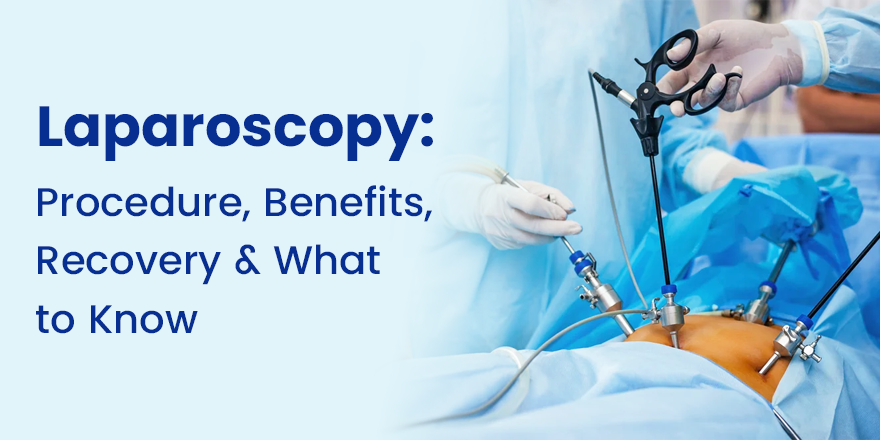
It is a surgical procedure that uses a laparoscope, which is a thin surgical instrument with a camera and light, to see into the abdomen or pelvic area. Several small cuts will be made in the body to allow the insertion of the camera and surgical tools.
Laparoscopic surgery might be recommended for diagnostic and therapeutic purposes. Laparoscopic surgery may be used in the treatment of certain disorders including ovarian cysts, endometriosis, fibroids, adhesions, and other fertility issues.
In comparison with conventional surgery, laparoscopic surgery typically uses smaller incisions, and that can lead to less scarring and faster recovery time.
What is a Laparoscopy Procedure?
A laparoscopy procedure is commonly done under general anesthesia. Carbon dioxide gas is injected into the abdomen to make room for surgery. Then, small cuts are made in the area of the abdomen or the belly button, and the laparoscope is placed there. Pictures captured by the camera are projected on the screen to view the organs carefully. If any treatment is needed, extra tools are used via other incisions. After the completion of the procedure, all tools are removed, and the incisions are closed.
When is Laparoscopy Done?
A physician will suggest performing laparoscopy in cases of necessary detailed inspection or intervention.
The most common indications include:
- Treatment of ovarian cysts
- Treatment of pelvic adhesions
- Inspection of unexplained pelvic pain
- Investigations of some gynecological disorders related to infertility
- Removal of some fibroids
- Inspection of reproductive system organs
- Gynecological biopsies and other interventions
Laparoscopy Biopsy: In some cases, a laparoscopic biopsy can be done. In this case, a small tissue piece is collected for laboratory research.
Preparation and Recovery after Laparoscopy: What to Expect?
Knowing all the details about the procedure can help patients to get ready for both laparoscopy and the postoperative period.
Before Laparoscopy
Prior to surgery, you will have to pass some tests, depending on your health history. Eating, drinking, medications, and anesthesia preparation instructions will be given. It is important to inform your doctor about your medications, supplements, allergic reactions, and surgeries in the past.
Post Laparoscopy
After surgery, patients may experience slight discomfort in the abdomen, bloating, fatigue or shoulder pain as a result of the use of gas during surgery. These symptoms will fade with recovery. Your best laparoscopic surgeon in Delhi will give you specific instructions on medications, activities, wound care, and scheduling follow-up visits.
One of the major benefits of laparoscopic surgery is that the recovery period might be shorter compared to traditional surgery, though depending on the procedure done and the individual’s health.
Duration of Keyhole Surgery
How long does keyhole surgery take? There is no definite answer because the duration depends on the type and complexity of the surgery. While some diagnostic surgeries might be fast, some therapeutic surgeries might take longer. The duration is explained by your surgeon based on the evaluation of your situation. Even the time spent in the hospital depends on the type of surgery and will vary from one case to another.
Advantages of Laparoscopic Surgery
Compared to the conventional method of performing surgery, the laparoscopic technique may offer the following advantages:
- Smaller incisions
- Reduced scarring
- Reduced postoperative pain in most cases
- Shortened period of hospitalization for some operations
- Early resumption of normal activities by some patients
- Minimal tissue damage
However, laparoscopic surgery is not indicated for all patients and conditions. The most appropriate surgical technique will be determined by your surgeon based on your diagnosis.
Is Laparoscopy Safe?
Laparoscopy has become one of the widely accepted forms of minimally invasive surgery, although, as in the case with any surgical procedure, there is a possibility of complications such as bleeding, infections, anesthetic issues, or damage to adjacent organs.
The surgeon will discuss the possible risks and benefits with you before performing surgery and also will tell you about other options for treatment.
Choosing the Best Laparoscopic Surgeon in India
Choosing the best laparoscopic surgeon in India should not be limited to just choosing online ratings. Pay attention to the doctor's education, experience in treating your disease, hospital infrastructure, surgical technology, and approach to the patient's care.
Consultation in detail will help you understand if you are suitable for laparoscopic surgery and what to expect from your surgery.
Laparoscopic Surgery at Seeds of Innocens Surgical Centre
At Seeds of Innocens Surgical Centre, our main concern is offering advanced surgical care in the field of gynecology. Laparoscopic methods might assist eligible patients in getting treatment without making large cuts on their body, ensuring precision, safety, and comfort during recovery.
If your doctor has recommended that you undergo laparoscopy or you have symptoms that may need surgical investigation, visit a laparoscopic surgeon in Delhi to undergo individual assessment.
Conclusion
If your doctor has recommended that you have laparoscopy done or if you would like to find out if minimally invasive surgery is appropriate for you, book a consultation with an expert laparoscopic surgeon in Delhi NCR. Schedule a consultation at Seeds of Innocens Surgical Centre.
Frequently Asked Questions
1. What is laparoscopic surgery?
This is the surgical method that uses special tools and a camera through tiny cuts in the abdomen.
2. What is laparoscopy used for?
It is used for diagnosis or treatment of endometriosis, ovarian cysts, adhesions, fibroids and some problems associated with fertility.
3. How long is the procedure of keyhole surgery?
This depends on the kind and complexity of your procedure. It will be assessed by your surgeon.
4. Is laparoscopic surgery painful?
Yes, some discomfort occurs after the procedure, but patients often feel less pain compared to open surgery.
5. What is laparoscopic biopsy?
Laparoscopic biopsy means obtaining a tissue sample via laparoscopy and then examining it in the laboratory.
6. What do I need to know about laparoscopy before and after surgery?
Before surgery, you will be subjected to some medical tests and given instructions on how to prepare for surgery. Afterwards, rest, care for your incision, medication, and further consultations may be needed depending on your surgeon’s recommendation.