




Ovarian Cysts: Types, Causes, Symptoms and Treatment Options
Ovarian cysts are among the commonest disorders of gynaecological health experienced by women of various ages. An ovarian cyst is a relatively common occurrence in women’s reproductive life and occurs especially in the reproductive years of the woman. Although most of these cysts are harmless and resolve themselves, some may need professional attention.
Understanding what an ovarian cyst is, its symptoms, causes, and treatment methods will be helpful to women in seeking medical help when necessary.
What Are Ovarian Cysts?
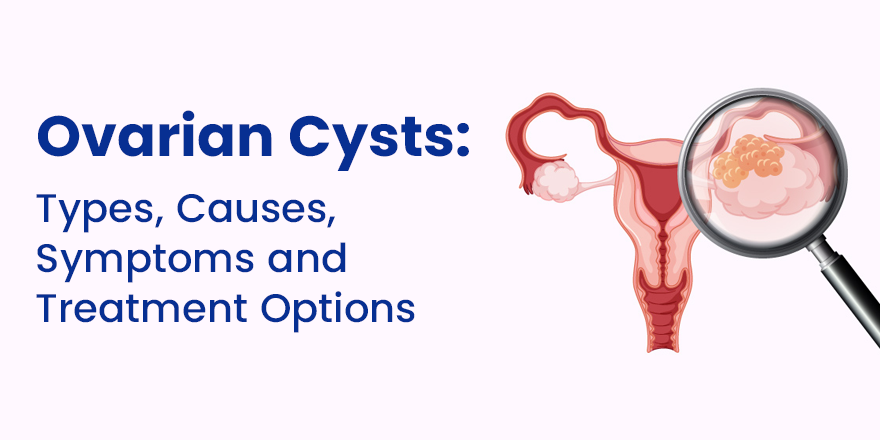
An ovarian cyst is a small sac filled with liquid that develops on or in the ovary. There are many different reasons why a woman can have cysts on her ovaries. This may occur due to normal processes that occur in the ovary because of the menstrual cycle.
Most of these cysts do not have any noticeable symptoms. Some cysts may cause pelvic pain and bloating among other symptoms.
What Causes Ovarian Cysts?
Perhaps one of the most frequent questions women would want answers for is, what causes ovarian cysts?
The causes depend on the type of cyst. Some ovarian cysts usually form normally as part of the menstrual process and are called functional cysts, which are considered harmless.
Some of the other causes or conditions that may be responsible include:
- Hormonal changes
- Changes during ovulation
- Endometriosis
- Changes due to pregnancy
- Polycystic ovary syndrome (PCOS)
- Abnormal growth of cells in the ovary
Pelvic or Reproductive Disorders
Not all ovarian cysts are caused by a serious underlying disorder. However, proper evaluation is essential for the cyst, which is persistent, large, and complex, or symptomatic.
Types of Ovarian Cysts
There are various types of ovarian cysts, and identification of the type is essential for doctors to determine the treatment options, including observation, medicines, or surgery.
Functional Cysts
Functional cysts are among the most common types of ovarian cysts. The cysts are caused by the normal process of the menstrual cycle.
Follicular and corpus luteum cysts are two common types of functional cysts.
Dermoid Cysts
Dermoid cysts, also referred to as mature cystic teratomas, consist of different kinds of tissues. These cysts can appear during the reproductive period and may need to be removed surgically, depending on their size, symptoms, and possible complications.
Endometriomas
Endometriomas are cysts related to endometriosis. Endometriomas may form due to endometrial-like tissue affecting the ovaries.
Cystadenomas
Cystadenomas originate from epithelial cells of the ovarian surface. Cystadenomas can be very large and need more investigation or even surgery.
Complex Ovarian Cysts
Some ovarian cysts are considered complex because they contain something other than liquid. The complex ovarian cyst needs more testing or evaluation by the doctor.
What Are the Symptoms of Ovarian Cysts?
Most ovarian cysts don't cause any symptoms. But, if there are symptoms, they might be as follows:
- Pelvic pain
- Discomfort in the pelvis
- Pain on one side of the lower abdomen
- Pressure sensation in pelvis
- Abdominal bloating
- Pain during specific activities
- Painful sexual intercourse
- Menstrual pattern changes
- Frequent urge to urinate if the large cyst presses the bladder
- Painful and sudden pelvic or abdominal pain may need urgent care, especially in conjunction with nausea, vomiting, syncope, or dizziness.
Are Ovarian Cysts Dangerous?
One of the common questions is: are ovarian cysts dangerous?
Most ovarian cysts are benign, and their danger lies in possible complications. Functional cysts usually go away by themselves without intervention.
However, there are some types of cysts that should be looked at by a doctor. If a cyst is very large, it may cause rupture or twisting of the ovary, a condition called ovarian torsion.
It is estimated if there is a risk of any dangerous condition according to the patient's age, symptoms, type and appearance of the cyst, etc.
That is why follow-up and evaluation are crucial if a cyst does not go away or is suspected to be dangerous for any reason.
What Size of Ovarian Cyst Is Dangerous?
The other frequent question is: what size of ovarian cyst is dangerous? There is no particular size of an ovarian cyst that is dangerous. Treatment of a cyst is not determined by its size alone.
A small cyst with suspicious symptoms should be evaluated, but a big simple cyst is not necessarily treated.
Doctors typically take into account:
- The size of the cyst
- Whether it is simple or complex
- How it appears in an ultrasound
- Whether it is getting bigger
- The patient’s symptoms
- The patient’s age and whether she is postmenopausal
- Any blood tests or further imaging when clinically indicated
Consequently, rather than just taking the size into account, it is essential to examine the ovarian cyst as a whole.
Interpreting a Malignant Ovarian Cyst Ultrasound
Assessment of a malignant ovarian cyst involves identifying ultrasound imaging characteristics that could potentially indicate malignancy and necessitate further testing.
Yet, the ultrasound alone cannot give a definitive diagnosis. Doctors consider multiple factors, such as ultrasound findings, medical history, age, and any other tests, if needed.
Factors that could trigger additional examination include:
- Solid areas inside the cyst
- Thick cyst wall or septations
- Irregularity
- Alterations in blood flow
- Fluid in the abdomen in certain clinical settings
It should be noted that the presence of a complex ovarian cyst or an abnormal ultrasound does not necessarily mean that the cyst is malignant.
Treatments for Ovarian Cysts
There are several different ways for ovarian cysts treatments, depending on the type, size, and characteristics of the cyst.
Observation
Many simple and functional cysts may be observed through repeated ultrasounds. This would work well in cases where the cyst is relatively small, benign, and not producing any symptoms.
Medication
If a cyst produces certain symptoms, such as pain or irregular menstruation, medication may be prescribed. It will depend on what is causing the cyst.
Surgery
In some cases, surgery may be required in case of an ovarian cyst that is:
- Large or persistent
- Painful
- Complex
- Growing in size
- Complicated
Requiring Removal for Diagnosis or Treatment Purposes
In cases where possible, minimally invasive surgery may be performed. It all depends on the characteristics of the cyst and the requirements of the particular patient.
Women who are worried about their fertility should consider it while making decisions about treatment options.
Selecting The Best Doctors For Ovarian Cysts In Delhi
Selecting the Best Doctors For Ovarian Cysts In Delhi is not limited to selecting someone who can surgically remove the cyst. It entails having a proper diagnosis, imaging assessment, and personalized treatment plan. Some of the things to take into account while choosing a specialist include:
- Experience in managing different types of ovarian cysts
- Minimally invasive gynaecologic surgery expertise
- Proper imaging diagnosis equipment access
- Complex ovarian mass management experience
- Approach that takes into account fertility issues where applicable
- Clear information provided concerning possible treatments
- Women in Delhi with ovarian cysts can get a proper specialist examination and recommendations at Seeds of Innocens Surgical Centre.
When Do You Need to See the Best Doctor for Ovarian Cysts Treatment in Delhi?
When should one consider seeing a specialist? Consider consulting a specialist when you experience recurring pelvic pain, recurring abdominal discomfort, abnormal bloating, or changes in your menstrual cycle. Also, if an ultrasound examination has detected a cyst that requires follow-up.
Seeking The Best Doctor For Ovarian Cysts Treatment In Delhi will ensure that your condition will be properly diagnosed and your treatment will be guided by your specific symptoms, results of imaging, and your reproductive needs.
Also Read: Uterine Fibroids: Symptoms, Causes, Diagnosis and Treatment
Final Thought
The incidence of ovarian cysts is very common, and most of them are harmless and may not need any kind of treatment. But knowing the different types of ovarian cysts, causes of ovarian cysts, and knowing when you need to visit a doctor will certainly benefit women.
Be it a simple ovarian cyst, persistent ovarian cysts, or complicated ovarian cysts, having a diagnosis is essential for proper management of the condition.
Seek specialist advice at Seeds of Innocens Surgical Centre for diagnosis and management of your ovarian cysts.
Book an appointment at Seeds of Innocens Surgical Centre for evaluation and treatment of your ovarian cysts.
Also Read: Endometriosis: Symptoms, Causes, Treatment and Its Impact on Fertility
Frequently Asked Questions
1. Can ovarian cysts go away by themselves?
Yes. Some ovarian cysts can go away by themselves and don't require any surgical intervention. Your doctor may recommend doing imaging of the cyst periodically.
2. Are ovarian cysts dangerous?
No, most ovarian cysts aren't dangerous. Yet some bigger or more complex ones may require additional medical investigations.
3. What can cause ovarian cysts?
Ovarian cysts can appear because of normal ovulation, hormone changes, endometriosis, pregnancy-associated changes, and other ovarian conditions.
4. What is the dangerous size of an ovarian cyst?
There is no specific size considered dangerous. The size is always evaluated together with the appearance of the cyst and the symptoms, growth, and other individual parameters.
5. When do I need to have surgery because of ovarian cysts?
When the cyst is big, complicated, or associated with complications and concerns.