





Anterior vs Posterior Placenta: Understanding Placental Position During Pregnancy

Pregnancy brings along several milestones for mothers, and one of the most common findings from the 18-22 week anomaly scan is the position of the placenta. Many parents-to-be have been known to ask about the meaning behind the anterior placenta, posterior placenta, and placenta posterior, wondering if these conditions are harmful to the health and delivery of their babies. Luckily, both anterior placenta vs posterior placenta are types of normal placentas. Although the position of your placenta may determine when you can start feeling your baby kick, it does not necessarily pose any risks to your pregnancy.
This guide will help you understand Anterior Placenta vs Posterior Placenta, compare them, talk about their symptoms, pregnancy outcomes, and answer some commonly asked questions.
What is Placenta?
Placenta is a temporary organ which grows in the womb during pregnancy and provides vital connection between mother and child via the umbilical cord. This organ transfers oxygen, nutrients, hormones, and removes wastes from the fetus.
Depending on its positioning in the uterus, you may be diagnosed with anterior placenta, posterior placenta, fundal placenta, or lateral placenta.
Anterior Placenta Meaning
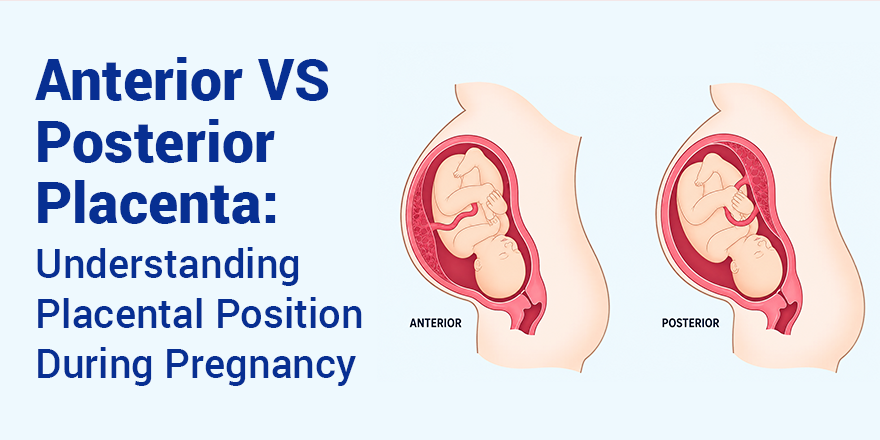
The placenta positioned anterior is positioned on the front wall of the uterus.
It is a very common placental position and is generally found in the second trimester ultrasound.
Characteristics of Anterior Placenta
Posterior Placenta
Posterior placenta is positioned on the back wall of the uterus near the spine of the mother.
Also, most ultrasound findings often state the placenta posterior, which is the same meaning as that of posterior placenta.
What is Posterior Placenta?
Parents often wonder "what posterior placenta means".
The answer is quite clear – it simply means that the placenta is positioned on the back wall of the uterus. It is a very normal condition and doesn't mean anything about the health of the baby.
In the same way, when your ultrasound findings state placenta posterior means, it simply states the position of the placenta and nothing else.
Anterior vs Posterior Placenta: Key Differences
Feature - Anterior Placenta - Posterior Placenta
Both positions support healthy fetal development and are considered completely normal.
Posterior Placenta Equals Baby Boy or Girl?
One of the top searches on the internet is does posterior placenta mean boy or girl? The answer to this is no.
It has not been scientifically proven that posterior placenta is indicative of the baby being a boy. Neither can an anterior placenta tell you if you are carrying a baby girl.
The best way to find out the gender of your baby is through medical imaging when it is appropriate or genetic testing in some instances. In India, any sort of sex determination before birth is illegal due to the PCPNDT Act.
What is a Posterior Low Lying Placenta?
The meaning of a posterior low lying placenta is that your placenta is attached to the posterior part of the uterus but is close to your cervix.
In many instances, the posterior low lying placenta detected in the second trimester shifts higher due to the growth of the uterus.
If it stays close to or covers the cervix during your third trimester, you may have placenta previa.
Also Read: 1st Week Pregnancy Symptoms: All That You Must Know
Does The Location Of The Placenta Influence Fetal Movement?
The primary difference between Anterior vs Posterior Placenta is the time when the woman feels the fetal movement. In the case of the anterior placenta, the fetus is protected by the placenta, and therefore the movements are softer.
If the placenta is posterior, the movements are more noticeable due to the absence of intermediate tissues.
Whichever type of placental location, always see your doctor when you experience low fetal movements.
Can The Location Of The Placenta Affect Delivery?
No, Both the anterior placenta and the posterior one do not affect your ability to have a vaginal delivery provided that there are no other complications in pregnancy.
Among the factors affecting the mode of delivery are the following:
When To Visit The Fertility Specialist
In case you:
The selection of the best IVF center in India or fertility clinic near me will enable the determination of the cause of infertility as well as the most suitable treatment methods.
Visiting the best IVF doctor in India or the best IVF specialist in India will ensure that you visit an experienced reproductive medicine expert with advanced fertility treatments.
Also Read:- HCG Levels in Pregnancy: What Every Expecting Mother Should Know
Conclusion
Understanding Anterior vs Posterior Placenta helps expecting parents feel more confident during pregnancy. Whether your ultrasound shows an anterior placenta, posterior placenta, or placenta posterior, these are typically normal findings that support healthy fetal development. While a posterior placenta may allow you to feel stronger baby movements and an anterior placenta may cushion early kicks, neither position determines your baby's health, gender, or the type of delivery you will have.
If you have concerns about placental position, fertility, or pregnancy planning, consult an experienced obstetrician or fertility expert. For couples experiencing difficulty conceiving, choosing the best IVF centre in India, visiting a trusted fertility clinic near me, or seeking guidance from the best IVF doctor in India and the best IVF specialist in India can help you receive accurate diagnosis and personalized fertility care.
Frequently Asked Questions
1. Is posterior placenta normal?
Yes. Posterior placenta is completely normal.
2. What is the meaning of placenta posterior?
Posterior placenta simply means that the placenta is located on the back wall of the uterus.
3. Does posterior placenta mean boy?
No. There is no scientific proof that posterior placenta means boy or indicates the gender of your baby.
4. Can anterior placenta affect pregnancy?
No. Anterior placenta does not lead to any complications.