




HCG Levels in Pregnancy: What Every Expecting Mother Should Know
Pregnancy is a trip with lots of excitement, a bit of nervousness, and endless questions. One of the first medical terms many women catch wind of after a positive pregnancy test is HCG. Doctors often check HCG levels closely in the early pregnancy stage because these hormone readings can give useful clues about the health and progress of the pregnancy. Getting to understand HCG levels can calm your head a little, and help expecting parents get a more plain view of what is going on inside the body.
What is HCG?
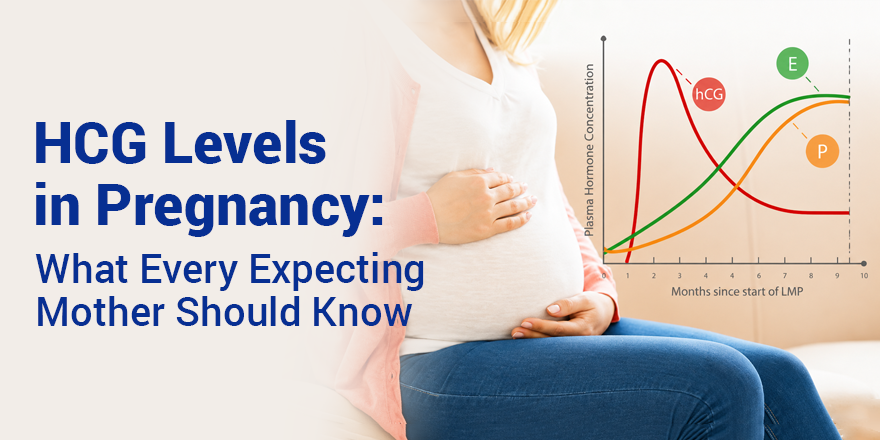
HCG is the short form for Human Chorionic Gonadotropin. It is a hormone made during pregnancy, and it starts being released by the cells that will later become the placenta after a fertilized egg has attached to the uterus. Basically this hormone is what pregnancy tests find, either in urine or in blood.
HCG supports a lot, including
- sustaining early pregnancy
- helping the body keep progesterone production going
- contributing to fetal growth
- stopping menstruation during pregnancy
When Do HCG Levels Start Rising?
HCG levels typically begin to rise around 6–10 days after fertilization. In the first weeks, these numbers climb fast, and they usually double every 48–72 hours.
That quick upward pattern is often viewed as a good sign for a pregnancy that is developing well.
Normal HCG Levels During Pregnancy
HCG levels can really vary a lot, from one woman to the next, and honestly a single number by itself just doesn’t always say if a pregnancy is healthy.
Below are approximate HCG levels during pregnancy. These are more like rough guidelines than rules. Each pregnancy is unique.
Why HCG Levels Matter
Doctors sometimes check HCG levels to help:
- Confirm a pregnancy
- Track early pregnancy progress
- Spot possible miscarriage risk
- Look for ectopic pregnancy signs
- Keep an eye on IVF pregnancies
- Assess multiple pregnancies, like twins or triplets
With fertility treatments such as IVF, HCG monitoring is even more important, because it gives doctors a clearer view of implantation movement and how things are settling in.
What Do Low HCG Levels Mean?
Low HCG levels don’t always mean something is wrong, though it can feel that way at first. Sometimes the pregnancy just is earlier than expected, and that’s kind of all there is to it. Still, low or slowly rising HCG levels might mean a few different things, like miscalculated pregnancy dates or a possible miscarriage. Other possibilities include ectopic pregnancy, or a non-viable pregnancy. Doctors will often repeat the blood test after 48 hours , to see if the hormone levels are going up in a way they expect.
What Do High HCG Levels Mean?
High HCG levels can also happen for reasons that aren’t automatically alarming. You might see higher-than-normal levels due to twin or multiple pregnancy, incorrect pregnancy dating, a molar pregnancy, or certain rare medical conditions. And again, one high reading by itself really isn’t enough for a diagnosis. Usually, ultrasound imaging plus repeat testing helps give a clearer answer.
HCG Levels in IVF Pregnancy
For people doing IVF, beta HCG testing can feel like one of those most emotional moments, ever. After embryo transfer, many clinics do a beta HCG blood test about 10–14 days later. If HCG is rising, that can suggest implantation worked. That said, every IVF pregnancy develops a little differently, so doctors often care more about steady growth over time, instead of fixating on a single number.
Symptoms Related to Rising HCG Levels
As HCG rises, some women notice early pregnancy symptoms, such as nausea or morning sickness , fatigue, breast tenderness , mood swings, and frequent urination. You may also see food cravings or food aversions. It’s interesting though, stronger symptoms don’t always line up with higher HCG, and milder symptoms don’t automatically mean something is wrong.
Emotional Side of HCG Testing
Waiting for HCG results can feel mentally draining, especially if you’ve already been through infertility stress or IVF. Each report can bring hope, fear , excitement, or anxiety all at once. Try to remember that HCG is only one piece of the puzzle. Ultrasounds, symptoms, and a broader medical evaluation together make the full story. Also, it’s best to avoid comparing your numbers with other people online, because pregnancies progress differently.
Final Thoughts
HCG levels are a helpful indicator, particularly in the early weeks. They can bring reassurance , but they still need to be interpreted by a healthcare professional alongside everything else. Pregnancy isn’t defined by one test result alone. Sometimes slow starts can still turn into healthy pregnancies, while “perfect” numbers can still require careful follow-up. Ultimately, the most important parts are consistent medical check-ins, emotional support, and trusting the process as you move toward parenthood.