





Follicular Monitoring
 20,000+
Smiles
 35+
35+Parenthood Joy
 78%
78%Hope to Families
 30+
30+Specialists
What is a Follicular Study?
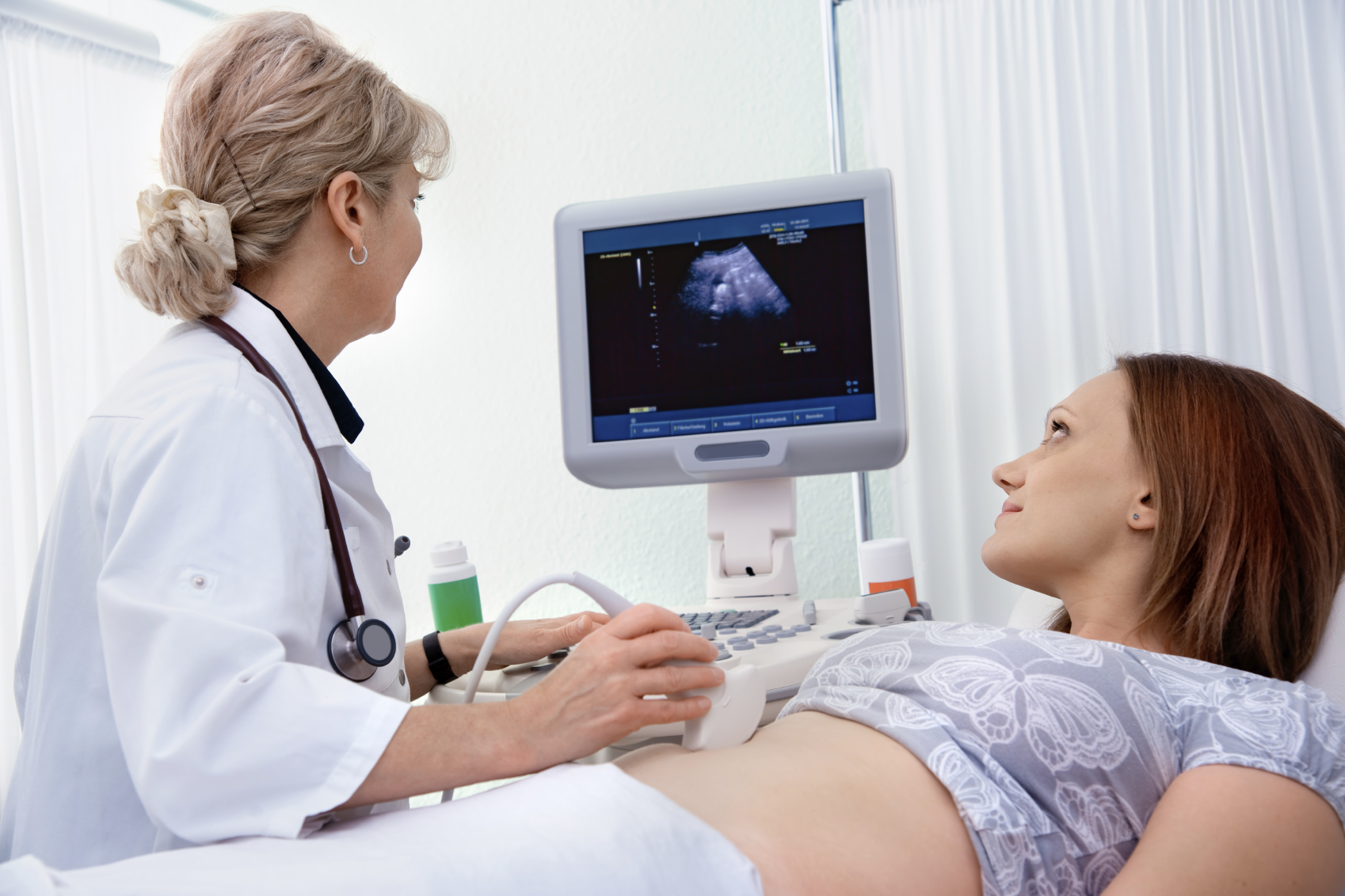
Follicular study or follicular monitoring is the process through which the doctor watches the growth of this follicle from the beginning of the menstrual cycle to the time it is ready to release an egg.
It is an important part of IVF assessment and timing. It uses a simple technique for assessing ovarian follicles at regular intervals and studies the pathway to ovulation. Medical experts study the follicle development in the ovaries and calculate when the next egg will be released. If a couple plans to have intercourse during that time, the chances of pregnancy are much higher.
Why is Follicular Monitoring Done?
Follicular studies form a major part of fertility treatments. They are essential in checking whether the woman's body is responding to the treatment or not. If somebody has opted for the IVF (in-vitro fertilization) method of fertilization, then the follicle scans are very important.
It determines the condition and the number of eggs produced in a single case of ovulation and checks the hormones involved. If the levels of hormones are incorrect, then with the alteration of medicine dosage there are higher chances of conception.
Follicular monitoring can help pinpoint the exact time in the cycle when one will ovulate. It helps in planning intercourse during that time so that the chances of pregnancy are much higher. It also helps in diagnosing problems related to ovulation. Some of these problems could be hindering your pregnancy as well.
However, it doesn't ensure fertilization of the egg by the sperm or implanting the fertilized egg on the uterine wall. Some problems don't let you conceive post-ovulation. These scans do not take care of them, as well.
Who requires Follicular Monitoring?
Follicular monitoring is recommended when timing of ovulation is important for conception or treatment.
How Does Follicular Monitoring Work?
A series of vaginal ultrasound scans track follicle growth and endometrial thickness. Scans typically start around day 6–7 and continue every 2–3 days until ovulation. A mature follicle is usually 18–25 mm; endometrium over 8–10 mm is often considered suitable.
Follicular Monitoring Procedure
Follicle tracking typically involves:
Baseline scan
Initial scan to assess follicle stage and plan the cycle.
Serial scans
Scans every 2–3 days to monitor follicle size and endometrial lining.
Assessment of maturity
When follicles reach 18–25 mm and lining is adequate, ovulation timing is predicted.
Timing intercourse or treatment
Couples are advised when to have intercourse or when to schedule IUI/trigger.
Benefits of Follicular Monitoring
Pinpoints ovulation timing
Improves timing for natural or assisted conception
Guides medication dosage
Helps diagnose ovulation problems
Follicular Monitoring Success Rate
Follicular studies alone do not guarantee pregnancy; they optimize timing. Success depends on overall fertility. One cycle of tracking can help you correlate scans with body signals. Our team will set realistic expectations.
Risks and Possible Complications
There are no significant physical side effects of the scan. Some couples find the process stressful; we recommend limiting tracking cycles and combining with home methods (e.g. cervical mucus) where appropriate.
Recovery After Follicular Monitoring
No recovery is needed. Each scan takes about 5–10 minutes. You can resume normal activities immediately.
Cost of Follicular Monitoring
Cost depends on the number of scans per cycle (typically 4–6). Our team will provide a clear estimate for follicular monitoring.