




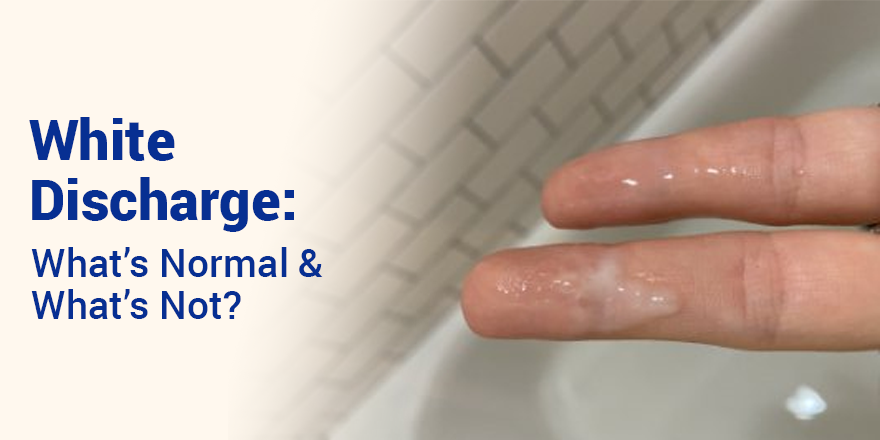
White Discharge: What's Normal and What's Not?
Almost every woman experiences white discharge, yet it leads to unnecessary anxiety for many. Many women wonder about their discharge by asking, "Is this discharge normal?" and "Could it be a sign of infection?" The body naturally produces vaginal discharge because it is vital for reproductive health. The vagina remains clean through this process, which also maintains its balance and protects against infections. Certain changes in discharge color, smell, or texture should be evaluated by a doctor, as they may indicate an underlying medical condition. The blog will explain the normal states of white discharge and its situations that require medical assessment. However, if you are looking for a fertility clinic near you, Seeds of Innocens IVF is here to support you with expert care and compassionate guidance.
What Is White Discharge?
White discharge, which medical professionals refer to as leukorrhea, consists of vaginal and cervical fluid that women produce through their internal glands. The natural process of the body clears out dead cells and bacteria from the vagina, which helps maintain its cleanliness and protection against infections. Vaginal discharge changes because of three main factors: Hormonal changes Menstrual cycle stages Pregnancy Sexual activity Birth control methods. The discharge from a healthy body shows mild odorless characteristics that change throughout the monthly cycle.
White discharge serves multiple essential functions, which include:
The method helps maintain vaginal cleanliness by stopping infections from occurring, and it keeps the pH level stable while it works as a fertility aid during ovulation. The body produces white discharge in most situations because it results from normal bodily functions when White Discharge is Normal. Let's explore the typical situations in which white discharge appears as a totally normal condition.
1 Before or After Your Period
Women frequently observe creamy white discharge, which appears between their menstrual cycles. Because hormone levels change throughout the menstrual cycle, women experience this condition. The normal signs include: Thick or creamy discharge, no foul smell, and no itching or discomfort
2 During Ovulation
Vaginal discharge becomes more slippery and stretchy between the twelfth and sixteenth day of the menstrual cycle. The sperm can move freely through this special discharge, which helps with fertility. Normal ovulation discharge includes: Clear or white Stretchy texture, increased quantity
3 Early Pregnancy
The hormone estrogen rises during early pregnancy, which leads to increased blood circulation in the pelvic region. The medical term for this condition is pregnancy leukorrhea, which does not pose any health risks. Normal pregnancy discharge includes: Milky white Mild smell, no irritation
4 Sexual Arousal
The body creates extra vaginal fluid during intimacy to provide lubrication. The discharge may have a white appearance, or it can be clear. The body produces white discharge as a regular process that maintains good health.
5 Stress or Lifestyle Changes
Discharge patterns will change after a person experiences stress, different dietary habits, or travel activities because their hormones will react to these changes. The condition presents no danger to health when additional symptoms remain absent.
The white discharge generally exists as non-harmful; however, particular alterations of this discharge serve as indicators for both infections and medical disorders. You should pay attention to these particular warning signs, which require urgent attention. Furthermore, you can always consult Seeds of Innocens IVF, which is one of the best IVF centre in Delhi.
1. Thick, Cottage Cheese-Like Discharge
Your discharge has developed a thick, clumpy appearance that resembles cottage cheese, so you might have a yeast infection. The other symptoms include the following
Intense itching
Burning sensation
Redness or swelling
The common yeast infections can be effectively treated through antifungal medication.
2. White Discharge With Strong or Foul Odor
Healthy discharge usually has little or no smell. The presence of a strong fishy or unpleasant odor may indicate:
Bacterial vaginosis (BV)
Infection due to pH imbalance
The condition of BV leads to:
Grayish-white discharge and brown vaginal discharge.
Vaginal irritation
Burning during urination
3. Discharge With Itching or Pain
The presence of white discharge together with:
Itching
Burning
Pain during sexual activity
Pelvic discomfort
The symptoms require medical assessment because they indicate potential infection or inflammation.
4. Excessive or Persistent Discharge
The normal discharge pattern experiences changes throughout the menstrual cycle yet excessive discharge that continues for multiple days indicates a possible:
Hormonal imbalance
Infection
Cervical irritation
The situation requires medical attention when it starts happening with regularity or causes distress.
5. White Discharge With Blood Spotting
The occurrence of white discharge with blood outside your menstrual period can happen because of:
Ovulation spotting
Hormonal changes
Cervical polyps
Infection
Pregnancy-related concerns
If spotting happens frequently or becomes excessive, you should seek medical evaluation.
6. Discharge With Pain in Lower Abdomen
The presence of white discharge together with pelvic or abdominal pain creates a possibility for:
Pelvic inflammatory disease (PID)
Sexually transmitted infection (STI)
The situation requires immediate medical attention when it occurs.
Common Causes of Abnormal White Discharge
The major conditions that cause unusual discharge occur as follows:
Yeast Infection
Thick, itchy discharge
Burning sensation
Redness
Bacterial Vaginosis
Thin discharge
Fishy odor
Mild itching
Sexually Transmitted Infections
Unusual discharge color
Painful urination
Pelvic pain
Hormonal Imbalances
Irregular cycles
Persistent discharge changes
Maintaining intimate health through proper practices prevents infections while sustaining body equilibrium.
Healthy hygiene tips:
Use mild water to clean the external body parts only
Scented soaps and vaginal sprays must be avoided
Douching should not be done
Choose cotton underwear that allows airflow
Use pads and tampons for changing at regular intervals
Drink enough fluids while following a proper dietary plan
Perform safe sex activities
When Should You See a Doctor?
Women should visit a gynecologist when they experience the following symptoms: persistent itching or burning
Discharge that emits an unpleasant odor
Discharge that appears as thick clumps
Pelvic pain
Discharge that contains blood spotting
Persistent infections that occur multiple times
Medical practitioners can identify infections through early testing, which enables them to provide treatment before complications arise.
White Discharge and Fertility: Is There a Connection?
Vaginal discharge provides information about a woman. The peak fertility period occurs when women experience egg-white discharge during ovulation.
Infections that affect vaginal discharge can make it difficult for women to become pregnant.
Final Thoughts
White discharge is usually a normal and healthy part of being a woman. It reflects hormonal changes, supports vaginal health, and plays an important role in fertility.
Discharge that changes its smell or texture and creates discomfort needs assessment to identify an infection or health issue. Women should listen to their bodies and seek medical help to protect their reproductive and intimate health.
Frequently Asked Questions
1) Is white discharge always normal?
No, it is not normal; however, a new persistent pattern should be evaluated.
2) Can white discharge happen without infection?
Yes, a healthy vaginal discharge can be off-white/ white and can vary across the menstrual cycle.
3) If there is no itching, can it still be a problem?
If it is a usual pattern and there is no odour or pain, then it is normal. However, if a new persistent change occurs, then it should be checked.
4) Why does discharge keep coming back after treatment?
Some of the common reasons include incorrect self-treatment or a different underlying cause.
5) What discharge changes need faster attention?
Discharge with severe pain, bleeding between periods, or coloured discharge (Yellow-Green/Yellow) should be assessed promptly.