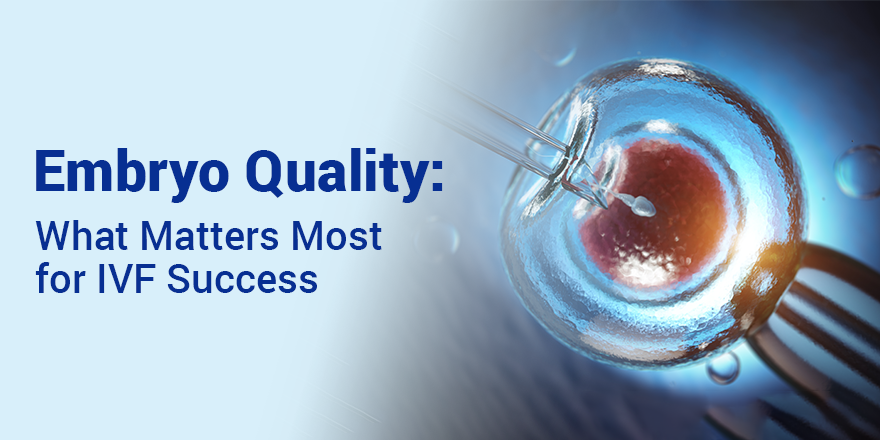






Test Tube Baby Treatment in India: Process, Cost & IVF Facts

Fertility treatments can be good news for couples experiencing difficulties in conceiving. In all fertility treatment procedures, there are a number of words that are often used. One of them is test tube baby. Even though this word might sound difficult to understand, the actual meaning of it is quite simple – a test tube baby is a baby conceived using the in vitro fertilisation procedure, during which an egg and sperm are united to conceive an embryo that will then be put inside the womb of a woman. At present, IVF has become a sophisticated and very popular method of fertility treatment used in various types of infertility cases. If you are trying to find out what a test tube baby is, how the test tube baby process works, or the test tube baby cost, learning about the procedure will surely help you make your decisions.
What Is a Test Tube Baby?
A test tube baby is a baby born as a result of a procedure of fertility treatment in which fertilization happens outside the body in a laboratory setting. This process is called in vitro fertilization or IVF.
IVF is a procedure during which mature oocytes are extracted from the woman and fertilised using sperm in a special laboratory. After that, the embryo is placed into the uterus. If implantation succeeds, then further pregnancy proceeds naturally. The term “test tube baby” is often used in colloquial language; however, specialists working in the sphere of fertility treatments prefer to use the term IVF since the procedure requires complex laboratory equipment instead of putting the egg and sperm in the test tube.
What Is the Test Tube Baby Technique Called?
The test tube baby technique is known as IVF (In Vitro Fertilisation). "In vitro" stands for "in glass," and it refers to the laboratory conditions under which fertilisation occurs.
Depending on the fertility status of the couple, doctors can also suggest additional procedures such as ICSI (Intracytoplasmic Sperm Injection), cryopreservation of embryos, blastocyst culture, or genetic testing of embryos.
Test Tube Baby Process: Step by Step
A test tube baby process normally consists of a number of steps. The exact treatment regimen may vary depending on various factors, including the woman's age, ovarian reserve, sperm status, her medical history, etc.
1. Fertility Evaluation
Before beginning the process of IVF, there will be fertility tests done for the couple. These will consist of hormonal studies, ultrasound, tests for ovarian reserve, semen analysis, and other investigations as required.
2. Ovarian Stimulation
There will be a prescription of fertility drugs that will enable the growth of multiple follicles by stimulating the ovaries. This is done by monitoring with ultrasound and, at times, blood test too.
3. Egg Collection
Once the follicles have reached the appropriate stage, a medication is given and the mature eggs are extracted from the body in a process called egg collection.
4. Fertilization in Lab
After collecting the eggs, these are exposed to the sperm that is prepared in the IVF lab. Sometimes, it is suggested to do ICSI, wherein a single sperm is injected into an egg to facilitate fertilization.
5. Development of Embryos
The fertilized eggs are closely watched by the embryologists to see how they are developing as embryos.
6. Embryo Transfer
The chosen embryo is transferred into the womb via a flexible tube called a catheter. The process is typically fast and rarely needs surgical intervention.
7. Pregnancy Test
After the necessary time interval, a blood test is taken to determine if the implantation led to pregnancy.
Test-Tube Babies: Who Should Consider IVF?
IVF is usually suggested to couples dealing with various reasons of infertility. These include blocked or scarred fallopian tubes, ovulation disorders, diminished ovarian reserve, endometriosis, male infertility issues, idiopathic infertility, or age-related infertility. IVF can also be recommended to people if other infertility treatments failed to help with pregnancy or some reproductive conditions require reproductive technology. Notably, IVF is not necessarily the right solution for everybody. A fertility doctor must evaluate a person or a couple prior to suggesting any treatment methods.
IVF and Test Tube Baby Difference
Many people search for the difference between IVF and test tube baby, but medically, there is no separate treatment called “test tube baby.The term test tube baby is a popular expression used to describe a baby conceived through IVF. IVF is the actual medical procedure. In simple terms:
| Test Tube Baby | IVF |
|---|---|
| Common or popular term | Medical term |
| Refers to a baby conceived through assisted reproduction | Refers to the fertility treatment |
| Not a separate procedure | Involves fertilisation in a laboratory |
| Often used in everyday searches | Used by fertility specialists |
Thus, test tube baby vs IVF is actually not an issue because a test tube baby is actually the outcome of IVF treatment.
Cost of Test Tube Baby in India
The cost of a test tube baby will depend on various factors such as the IVF clinic, medication costs, diagnostic tests, number of cycles needed, and whether ICSI or genetic tests are required or not. In India, you should always ask the fertility clinic for an elaborate quotation including consultation, diagnostics, medications, egg retrieval, laboratory costs, embryo cultivation, embryo transfer and all other procedures which may be recommended.
Do not decide on an IVF centre depending only on test tube baby cost. Take into account the qualifications of the fertility specialists, laboratory facilities, treatment methods, price policy and the overall quality of service, which includes the treatment process in general.
Choosing an IVF Hospital in India
The choice of a good IVF Hospital in India is very important since in vitro fertilization requires both medical skills and laboratory equipment. Pay attention to the presence of highly experienced specialists who have a good reputation in their specialization, good embryologists, advanced IVF laboratories, necessary diagnostics, and individual treatment approaches.
If you are looking for an Infertility Hospital in India or the Best IVF Centre in India, pay more attention to the quality and transparency of service rather than just to the success rate statistics. Age, infertility diagnosis, ovarian reserve, sperm analysis, quality of embryos, and health condition can affect the outcome of the treatment.
Take The Next Step To Becoming Parents
An understanding of the test-tube baby procedure can make fertility treatment seem less intimidating. Each couple is unique in terms of their medical requirement, and therefore, the correct treatment method must always be determined by a thorough fertility assessment.
If you are seeking IVF Treatment in India, speak to a qualified fertility specialist who can help you know your diagnosis, treatment methods, time frame, and cost estimate. Through improvements in reproductive medicine, IVF has opened up avenues of parenthood for infertile couples.
Also Read : IVF Cost in India: A Complete Guide to IVF Treatment Cost, Packages
Frequently Asked Questions
1. Does the term test-tube baby refer to the IVF baby?
Yes. A test-tube baby can be referred to as an IVF baby. While test-tube baby is a common name, the actual treatment procedure is called In-vitro Fertilization (IVF).
2. Is IVF procedure painful?
Certain steps like ovarian stimulation and egg retrieval might cause some discomfort. The entire process will be made easy with proper medications.
3. Is IVF sure to make one pregnant?
No treatment can ensure pregnancy because this result is dependent on several individual factors like age, quality of eggs and sperm, embryonic development, and infertility issues.
4. What is the duration of the test tube baby procedure?
A cycle of IVF typically requires several weeks from the very beginning up to the embryo transfer and pregnancy test, although the time period is different for each case.
5. Is IVF applicable for men’s infertility?
Yes, IVF, especially in combination with ICSI, can be used in some cases of male infertility.